
Free standard freight to the 48 contiguous states

Guides

Make an informed choice

Practical guides to matching an attachment, sizing handling equipment and receiving freight.

  • 4 guides
  • Short reads
All guides
Attachments · 5 min read

Matching an attachment to your machine
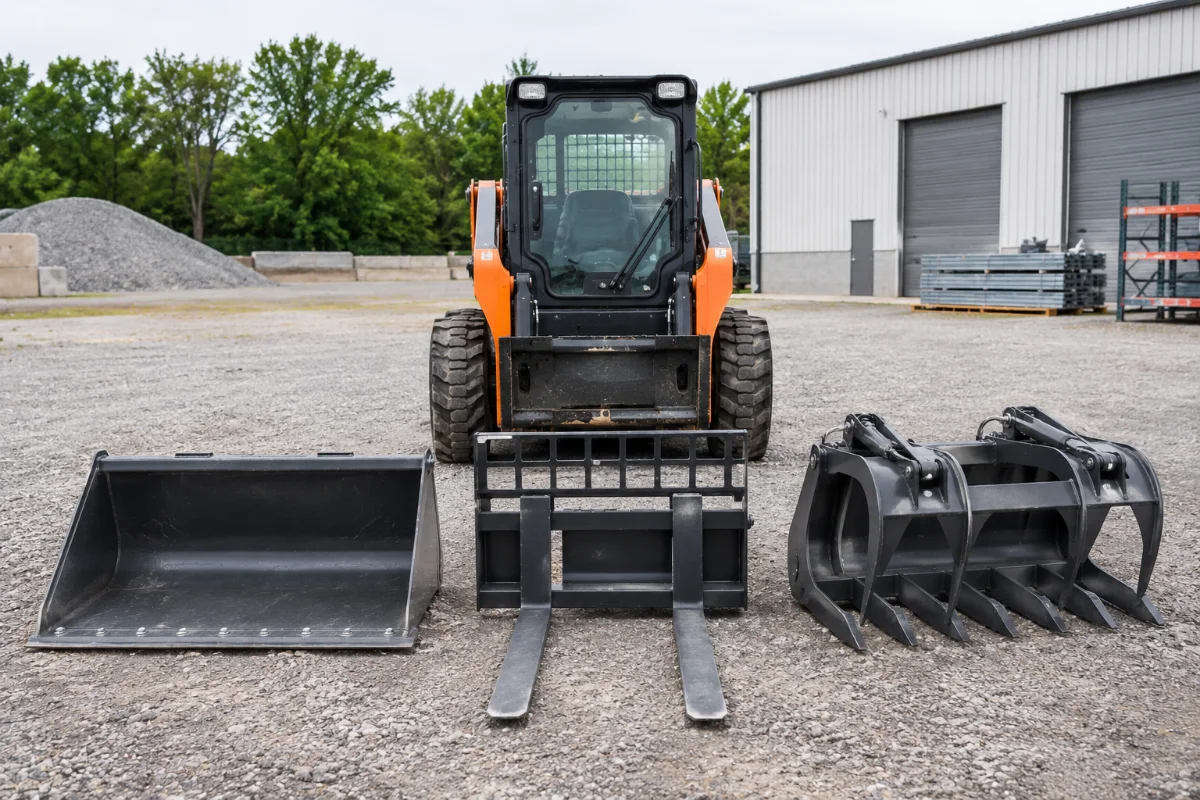
An attachment has to fit three things on the carrier: its mount, its hydraulics and what it can lift.

The mount

Most full-size skid steers and compact track loaders take the universal quick-attach plate. Mini skid steers use a smaller mount, and a few brands have their own. Excavator attachments are matched by the pin diameter, the distance between the pins and the width of the stick, or by the coupler fitted. The mount is listed in each product's specifications.

The hydraulics

A hydraulic attachment lists a flow range in gallons per minute and a pressure. Standard-flow loaders deliver roughly 17 to 25 GPM and high-flow machines 30 GPM and more. Too little flow and the attachment is slow; too much without a flow control can damage it. Check for a case drain line where the attachment asks for one.

The weight

  • Add the attachment's weight to the load it will carry, and compare the total with the loader's rated operating capacity.
  • Choose a bucket or blade at least as wide as the machine's tracks or tires.
  • On an excavator, check the attachment's weight class against the machine's operating weight.

Not sure it fits? Send us the make and model of your machine: (903) 776-4326 (Mon–Fri 8 AM–5 PM Eastern).

All guides
Material handling · 5 min read

Pallet jacks, lift tables and hoists: sizing by the load

Start from the heaviest load you move, then check the dimensions.

Pallet jacks

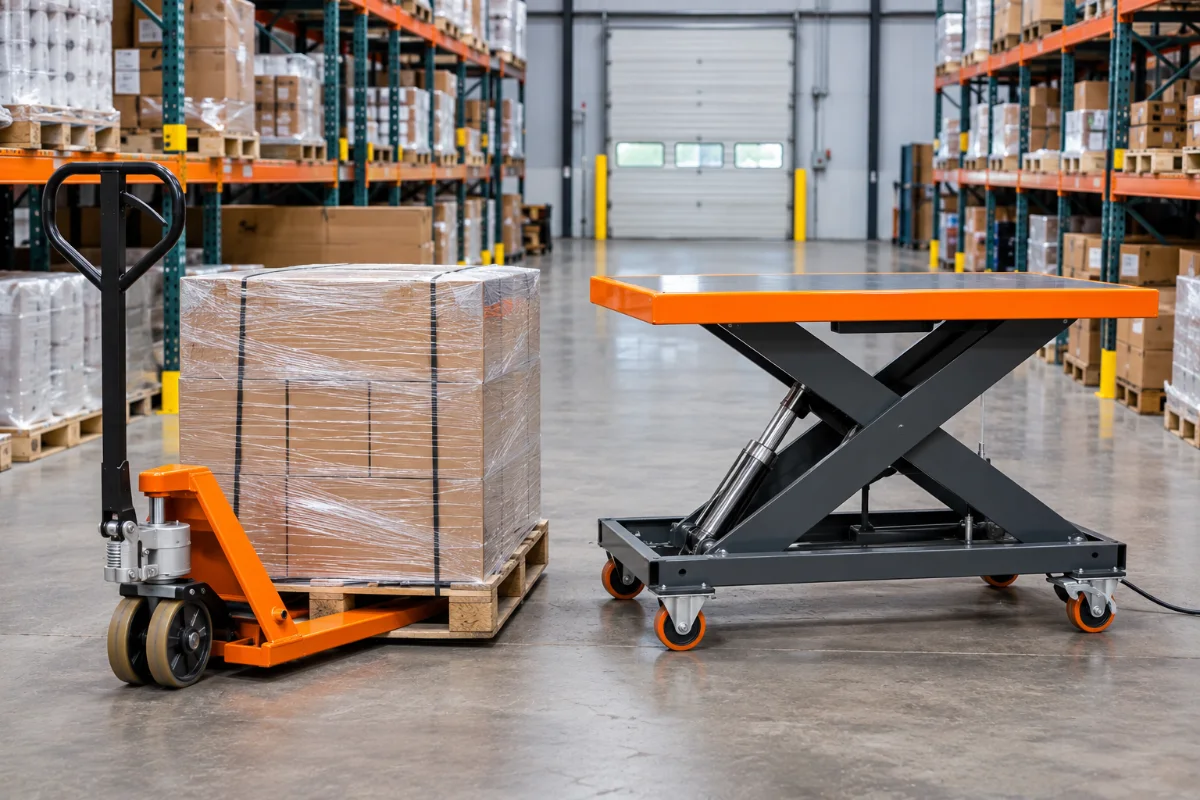
Most manual pallet jacks carry 5,000 to 5,500 lb. The usual fork size, 27 by 48 inches, suits the standard 48 by 40 pallet; narrow or short forks are for small pallets and tight trailers. Check the lowered fork height against your lowest pallet.

Scissor lift tables

  • Capacity, platform size, and the lowered and raised heights.
  • How it rises: a foot pump, an electric-hydraulic unit (check the voltage) or shop air.
  • Whether it stays put or rolls: a mobile table needs brakes and a level floor.

Dock plates and dock boards

A dock plate is for hand trucks and pallet jacks; a dock board has curbs and a higher capacity, for forklifts. Size both by the load and by the height difference between the dock and the truck bed.

Hoists and cranes

Choose by capacity, lift height, power and how it hangs (hook or trolley). The beam or structure must be rated for the load, and hoists and cranes are inspected at the intervals OSHA and the ASME B30 standards set.

All guides
Delivery · 4 min read

Delivery day: receiving freight

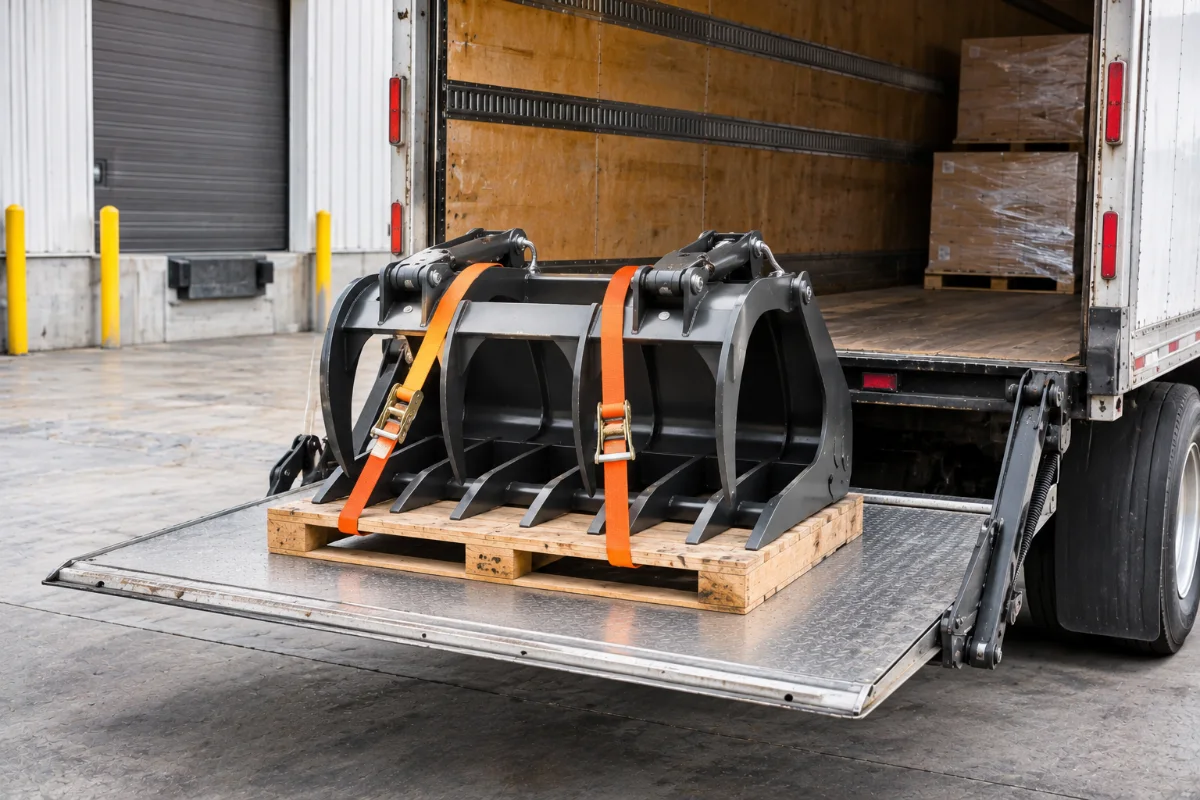
Free standard freight to the 48 contiguous states. Standard delivery takes 12–25 business days; Express: $480 per order · 5–15 business days. The carrier calls a day or two ahead to book a time.

Before the truck

  • Answer unknown numbers that week: the terminal calls the phone on your order.
  • Check that a 53-foot trailer can reach you, or tell us so the carrier can send a smaller truck.
  • Plan the unloading: a forklift, a loader with forks or a pallet jack on firm, level ground. Check the weight on the bill of lading against what your equipment can lift.

At the curb

  • Walk around the pallet before you sign, and photograph every side.
  • Write any damage, a broken crate or a missing box on the delivery receipt, then sign.
  • Email the photos and your order number to contact@liftaisledepot.com within 24 hours; we file the claim with the carrier.

After

Keep the packaging until you have checked everything: a return goes back in the original packaging. Returns: Request a return within 15 days of delivery. Questions on the day: (903) 776-4326.

All guides
Ownership · 4 min read

Warranty, returns and everyday care

Warranty: One-year parts and labor warranty. Returns: Request a return within 15 days of delivery. Most problems are prevented by a few habits, and most claims are settled with one clear email.

Keep it working

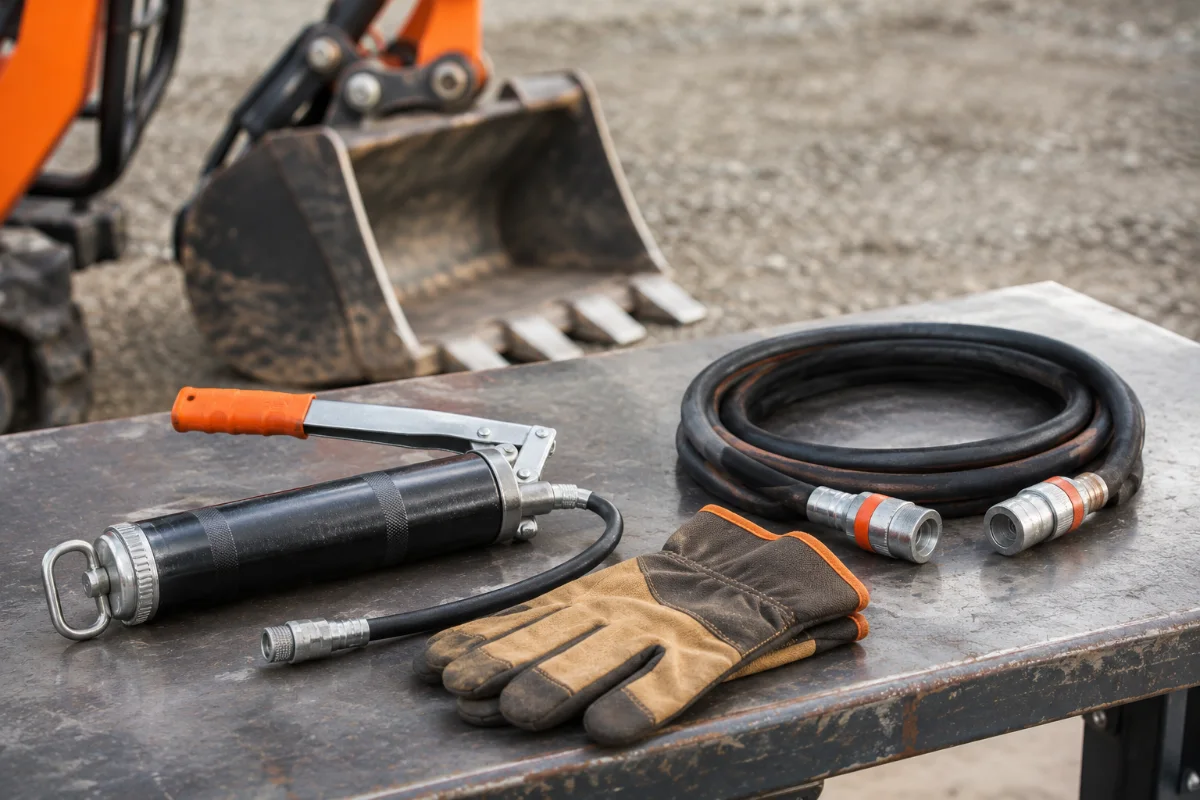
  • Grease pins and pivots at the intervals in the manual, and check hoses and couplers for wear before each use.
  • Keep to the rated capacity: an overload is the commonest cause of bent forks, cracked welds and failed cylinders.
  • Inspect hoists, slings and chains before each shift and have them examined at the intervals the standard sets.

If something fails

Lower the load and stop work. Photograph or film the fault and the serial plate. Email contact@liftaisledepot.com with your order number, the model and the serial number. A person replies within 1–2 business days.

Sending something back

Ask for a return authorization first, and send the item back unused, in its original packaging. If it arrived damaged, defective or wrong, we pay the return and refund or replace it.

Need a second opinion?

Tell us the job and we help you pick.